
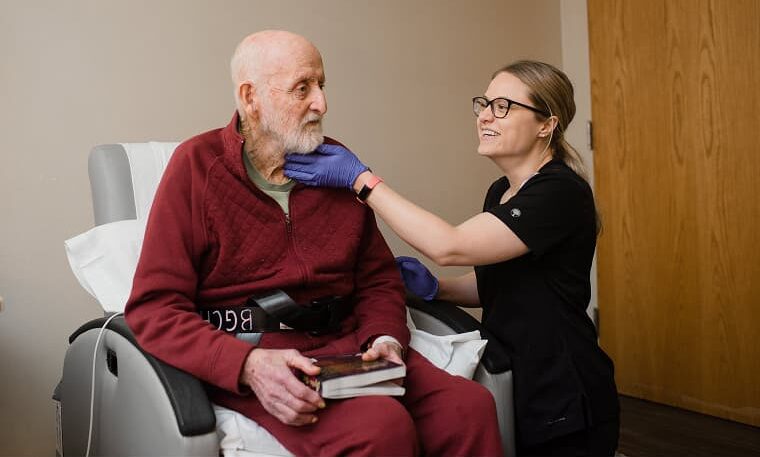


If there’s one thing every nurse knows, it’s that stepping into your first professional role, or stepping into a new one, feels both exciting and overwhelming. At Lifepoint Health, no nurse navigates this transition alone. Our Nurse Residency gives every new registered nurse the support, structure and confidence they need to thrive.
In our blog, a leader behind the Nurse Residency shares how new graduate registered nurses are supported through structured skill-building and mentorship across Lifepoint hospitals nationwide. These insights highlight Lifepoint Health’s investment in its nursing workforce – in both new graduates and the experienced nurses who step in as preceptors. Here’s a look at what you’ll discover in the Q&A:
- How the Nurse Residency strengthens core clinical skills and professional behaviors
- Why Lifepoint’s preceptor model sets both new nurses and experienced RNs up for success
- What day‑to‑day support really looks like, from 1:1 guidance to consistent program structure
- How protected time and evidence-based learning empower nurses balancing full-time work
- The outcomes Lifepoint is seeing: confidence, retention, advancement and stronger patient care
- How nurse feedback directly shapes and evolves the residency experience
- And the biggest differentiator that sets the Lifepoint Health Nurse Residency apart in the industry
Whether you’re a newly licensed RN seeking a strong foundation or an experienced nurse looking for continued growth and connection, this Q&A offers an authentic look at how we’re supporting and sustaining the nursing workforce.
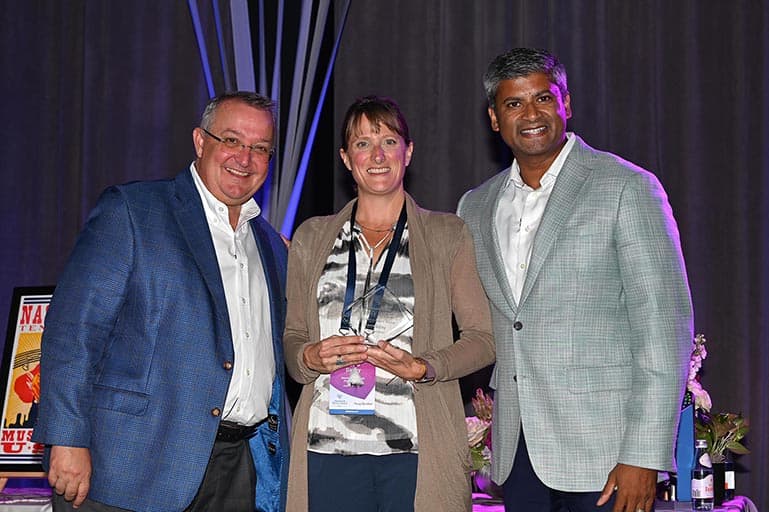
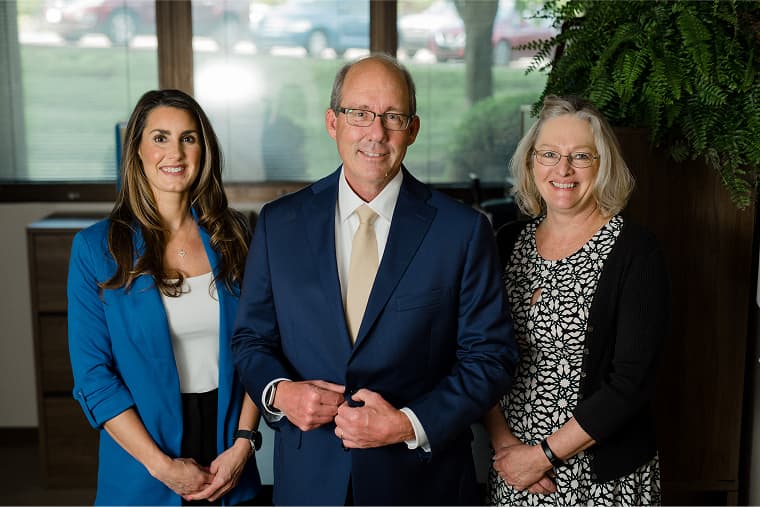
Laura Dailey (center) receives the Mercy Award from Lifepoint Health CEO David Dill (left) and Jason Zachariah (right), president and chief operating officer of Lifepoint Health.
About the Author
Educational Program Design Director, Laura Dailey, PhD, has served Lifepoint Health since 2017, leading key nursing workforce initiatives. She is responsible for developing and advancing apprenticeship and residency programs that support the next generation of healthcare professionals while strengthening Lifepoint Health’s talent pipeline. In this role, Dailey has earned national recognition from the White House and the U.S. Department of Labor’s Office of Apprenticeship as an Apprentice Ambassador for her work promoting, expanding and diversifying registered apprenticeships. She was also a recipient of the 2025 Health Support Center Mercy Award.
Q&A
Q: What clinical and professional competencies does the Nurse Residency emphasize?
A: Our Nurse Residency sets up a strong foundation by supporting fundamental nursing skills. Completing a clinical skills checklist is the first step for all new nurses before moving on to any specialty or advanced skills required of their unit. As a resident moves through the program, competence begins to focus on personal and professional behaviors. Supporting new nurses in becoming confident and competent advocates for both our patients and them is essential to building a strong nursing culture and a core component of our residency program.
Q: How does Lifepoint Health’s Nurse Residency support experienced RNs, not just new graduates?
A: Each resident is paired with a preceptor who has completed a preceptor development course, earning 17 contact hours and enhancing their confidence and ability to serve as an effective preceptor. Our experienced nurses are appreciative of this education, often choosing to retake it year over year as they continue to serve as preceptors for new graduate nurses. Serving as a preceptor also supports professional growth and may contribute to advancement on the clinical ladder. In addition, preceptors may be eligible to earn a stipend, which varies by facility.
Q: What does the preceptor-resident relationship look like day to day, and how is consistency ensured throughout the residency experience?
A: Preceptors support residents 1:1 throughout the first three months of a new graduate position. Together, they learn about the facility and their unit, providing support as needed to lead to full autonomy as the new nurse is ready. All preceptors supporting residents must have completed the preceptor development course before supporting a resident. This course provides the experienced nurse with an in-depth understanding of Nurse Residency requirements.
Q: Can you walk us through how preceptors are selected and trained, and what makes a strong preceptor within Lifepoint facilities?
A: Preceptors are some of the strongest nurses in the facility! They have what it takes to provide exceptional patient care and compassionately support a new nurse as they learn about the intricacies of their position. These nurses stand out among their peers and are often encouraged to serve in this role by their unit directors, educators or chief nursing officer.
Q: How does the program balance structured learning with the realities of working full-time as a registered nurse?
A: Facilities provide each resident with protected time to work on residency requirements. This time is used to tour the facility, complete residency courses online, attend a cohort conference and work on capstone projects. Building this into each resident’s schedule ensures they have the time to focus on the program, get to know their peers and build confidence as they transition to practice.
Q: In what ways are preceptors supported so they can focus on mentorship without added burnout or workload strain?
A: Mentorship often provides support and nourishment to both the new nurse and the mentor alike. They often work together to complete the capstone project, a culminating experience for residency. This collaboration provides both nurses with a chance to learn from current evidence-based practices to enhance clinical practice or process.
Q: What outcomes have you seen for nurses who complete the residency – such as retention, advancement or movement into specialty or leadership roles?
A: In 2025, we have retained 85 percent of all new graduates who joined the residency program. We welcomed 679 residents and more than 1,800 overall since launching the program in May 2023. Eighty percent of the residents report providing better patient care and feeling more confident because of the residency program.
Q: How does the program incorporate feedback from residents to continuously improve the overall experience?
A: Residents anonymously provide feedback at the end of each phase of the program. This helps us monitor the impact each phase has on the new nurse and gives them an opportunity to speak candidly about their experience. Hospital leaders and residency program coordinators in each facility meet with residents at regular intervals throughout their residency year as well. This gives each facility the chance torespond in real time to the specific need to the specific needs of its nurses as they evolve. This program is also supported by divisional nursing leadership and the workforce solutions team. This allows for the standardization of best practices collected from resident experiences to enhance the program’s overall impact.
Q: What would you say is the biggest differentiator of the Lifepoint Health Nurse Residency compared to others in the industry?
A: The amount of support and attention provided at all levels is the differentiator. This effort spans the entire organization, from executive nursing leadership at Lifepoint, under the guidance of Chief Nurse Executive Michelle Watson, to collaboration between unit directors and nurse education teams at each facility. Providing a positive experience for new graduate nurses is a constant. The Workforce Solutions Team meets with each facility 1:1 each month to provide guidance, monitor progress of residents and preceptors, troubleshoot as needed and consistently support hospital leaders to ensure the best program possible.
About Lifepoint Health
Founded in 1999, Lifepoint Health is a leader in community-based healthcare with acute care, behavioral health and rehabilitation locations from coast to coast. We believe in making communities healthier® through our vision of creating places where people choose to come for care, physicians want to practice and employees want to work. From your first day to your next career achievement – your experience matters.